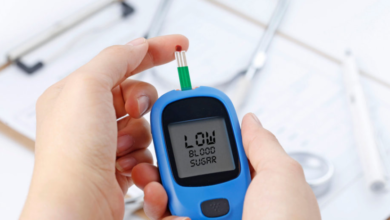
Feeling worn out after a late night or a busy week is common. Fatigue becomes medically concerning when it persists for weeks, hinders daily activities, and isn’t alleviated by rest. Doctors seek specific patterns: its duration, aggravating factors, alleviating factors, and associated symptoms like pain, brain fog, dizziness, unrefreshing sleep, or flu-like sensations. These details inform diagnostic testing and the urgency of intervention.
First questions your clinician will ask
To begin, your clinician will need a clear understanding of your history. Expect questions about your sleep (hours, quality, snoring), stress, mood, infections, medications and supplements, caffeine and alcohol intake, and recent life changes. You’ll also likely be asked about symptoms like weight changes, fevers, rashes, swollen glands, chest pain, shortness of breath, heavy periods, or changes in bowel habits. Providing honest, specific answers helps your doctor avoid unnecessary tests and identify the root causes.
What the physical exam can reveal
During the exam, clinicians assess vital signs both sitting and standing to identify orthostatic intolerance—fatigue that worsens when upright. They check the throat and lymph nodes for signs of infection, the thyroid for enlargement, the heart and lungs for circulation issues, the abdomen for organ tenderness, the skin for pallor or dryness, and the joints for inflammation. Simple observations, like pale inner eyelids, may indicate iron deficiency, while low blood pressure upon standing can point to dysautonomia.
The baseline lab work most patients get
Most adults with ongoing fatigue receive a core panel:
- Complete blood count (CBC): screens for anemia and infection.
- Ferritin and iron studies: evaluate iron stores, especially in people with heavy menstrual bleeding or low-iron diets.
- Thyroid panel (TSH ± free T4): checks for underactive or overactive thyroid.
- Metabolic panel: looks at kidney, liver, and electrolyte balance.
- Fasting glucose/A1C: assesses blood sugar problems.
- Vitamin B12 and vitamin D: low levels can worsen fatigue and mood.
- Inflammation markers (ESR/CRP): point toward hidden inflammation.
Based on your history, your clinician may add tests for sleep apnea risk, celiac disease, autoimmune activity, latent infections, hormone shifts, or nutrient malabsorption.
See also: Developing Emotional Resilience: Tools for Mental Health Providers
Conditions doctors try to rule out early
Fatigue is a symptom, not a diagnosis. The goal is to find and treat the driver:
- Sleep disorders: obstructive sleep apnea, insomnia, restless legs.
- Endocrine issues: hypothyroidism, adrenal disorders, diabetes.
- Nutrient deficiencies: iron, B12, folate, vitamin D.
- Heart and lung conditions: asthma, heart failure, arrhythmias.
- Infections and post-viral states: including lingering symptoms after viral illness.
- Autoimmune and inflammatory diseases: joint pain, rashes, or swelling may be clues.
- Mood and stress-related conditions: depression, anxiety, and trauma can magnify fatigue and pain.
- Medication effects: antihistamines, some blood pressure meds, and others can cause drowsiness.
Finding one issue does not rule out another. Many people have two or three contributors that stack up and drain energy.
When the pattern suggests ME/CFS
If profound fatigue persists for over six months, isn’t relieved by rest, and worsens after even minor physical or mental effort (post-exertional malaise), your doctor might consider myalgic encephalomyelitis/chronic fatigue syndrome (ME/CFS). Other common signs include unrefreshing sleep, issues with memory or concentration, and symptoms that worsen when standing. This is a clinical diagnosis—no single blood test exists—so a thorough history and ruling out other causes are crucial.
Building a practical treatment plan
There is no one-size approach. The best plans are stepwise and adjustable:
- Treat clear, fixable causes first. Correct iron or B12 deficiency, adjust thyroid levels, manage blood sugar, or treat sleep apnea. Energy often improves when these are addressed.
- Sleep repair. Aim for a regular sleep window, a dark cool room, and consistent wake time. Caffeine timing and evening screen limits reduce sleep disruption.
- Pacing and activity planning. For people with post-exertional crashes, pacing helps avoid boom-and-bust cycles. Break tasks into small chunks, schedule rest before and after activity, and track your “energy envelope.”
- Nutrition basics. Regular meals with protein, fiber, and healthy fats help steady energy. Hydration and adequate salt can ease lightheadedness in those with orthostatic symptoms, according to clinician guidance.
- Stress and mood care. Short, structured relaxation, counseling, or skills-based therapies can reduce the load on your nervous system and improve coping.
- Targeted symptom relief. Pain, headaches, allergies, IBS-type symptoms, and dizziness all have options that can be layered into your plan under medical supervision.
- Gradual change, measured progress. A simple log of sleep, steps, meals, and flares shows what helps and what triggers setbacks. Small wins compound into bigger gains.
What to ask at your next appointment
Bring a one-page summary: top three symptoms, when they started, what worsens them, what helps, and a short list of goals. Ask:
- Which causes fit my story best?
- Which tests are most useful now, and which can wait?
- What is the first, simplest change that might give me relief in two to four weeks?
- If activity makes me crash, how should I pace safely?
- What signs mean I should follow up sooner?
Searching for chronic fatigue treatment in Albuquerque? Use these questions to compare clinics, ensuring evaluations cover both medical and lifestyle factors. Ask your clinician to consider the local environment, altitude, and allergens for tailored care.
Conclusion
Chronic fatigue requires a thoughtful, step-by-step plan. A clear history, focused exam, smart testing, and practical daily tools help identify causes and restore steady energy. Small, consistent adjustments create momentum to feeling like yourself again.