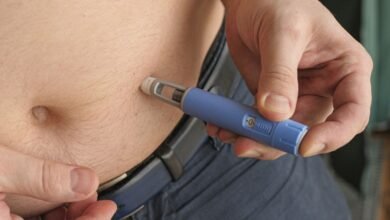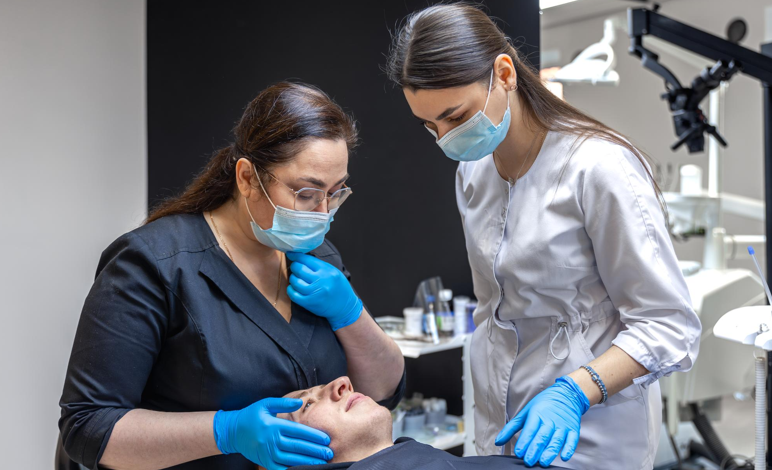
The demand for cosmetic treatments has gone up in recent times. This popularity can be seen in the fact that many Canadians are undergoing laser treatment for various cosmetic purposes. There are various reasons for this. Some of them include the rise in technological advancements and a desire for an increase in self-confidence. Nowadays, people can get personalized, non-invasive skin treatments at a private dermatology clinic (clinique dermatologie privée).
These treatments are usually safe and do not involve any risks or downtime, though this varies depending on the treatment. This ensures that people can return to their normal lives immediately in most cases. People opt for many treatments like dermal fillers, laser therapy, and microneedling treatments, to name a few, at these clinics. But that’s not all. They also offer other treatments, which you can opt for to solve your skin issues.
Continue reading to learn more about them below.
Which Cosmetic Skin Treatments Does A Private Dermatologist Offer?
A private dermatologist offers cosmetic treatments like Botox, dermal fillers, microneedling, laser skin resurfacing, chemical peels, and acne scar revision. They also offer skin boosters, medical-grade facials, and chin and jawline contouring.
See also: Choosing the Right Front Door Style to Match Your Home’s Architecture
1. Anti-Wrinkle Injections (Botulinum Toxin)
Anti-wrinkle injections refer to Botox treatments. People generally opt for Botox to look younger and reverse signs of aging. Botox treatments involve an injection containing the Botulinum toxin. The dermatologist will inject this toxin into the affected area.
These affected areas include your forehead lines, eyebrows, crow’s feet, and chin wrinkles, to name a few. The toxin freezes or arrests the muscles in these areas, which prevents them from sagging or creating unnatural contractions.
This treatment involves minimal downtime. However, you should avoid exercise and heavy lifting for up to 24 hours after the treatment. You can expect results in about two weeks, while some of you can expect results in five days. However, this timeline will vary. The effects of a Botox treatment generally last for up to six months or less. You should consult a dermatologist around me (dermatologue autour de moi) for the exact duration.
2. Dermal Fillers
Dermal fillers are injections that help you improve your skin’s elasticity and reduce your wrinkles. They also add volume to your jawline, lips, and cheeks, to reduce the effect of sagging.
*Note: Your skin begins to sag due to a decrease in collagen, which is influenced by aging.
You should expect to see the results of this treatment in about 4 weeks, though the duration may vary. The dermal filler treatment involves different kinds of fillers, depending on the purpose, as seen below.
| Type of Dermal Filler | Purpose | Downtime And Duration Till Which Treatment Lasts |
| Hyaluronic Acid or HA | Adding volume to your skin and keeping it hydrated | Minimal; Lasts for up to 1 year, though timeline may vary |
| Calcium Hydroxylapatite or Radiesse | Increases collagen and elastin production, which improves your skin elasticity | Minimal; Lasts for up to 1.5 years, or 1 year at most |
| Poly L-Lactic Acid or PLLA | Stimulates collagen production, which removes skin wrinkles | Minimal; Lasts for up to 2 years; |
| Polymethyl Methacrylate or PMMA | Collagen fillers that improve your skin’s volume by staying under your skin as balls | Minimal; Lasts for up to 5 years |
Table 1: Types of Dermal Filler Treatments
You should visit a private dermatology clinic (clinique dermatologie privée) before undergoing that treatment. The dermatologist there will diagnose your skin’s condition before suggesting the appropriate method.
3. Microneedling
Microneedling involves using a fine needle to make minor incisions or punctures in your skin. Your body reacts to these injuries by stimulating the formation of collagen. The increase in collagen fibres leads to the formation of skin tissue. As the number of skin tissues increases, your body regains the skin lost due to the injections. The new skin tissue makes your skin look younger and firmer.
Microneedling is generally used to treat mild acne, scars, wrinkles and thin skin, and stretch marks. You can start seeing the effects of this treatment within a month, though the duration may vary. Microneedling does not have any noticeable downtime, so you can get back to your normal life immediately.
4. Laser Skin Resurfacing
Laser skin resurfacing refers to the use of lasers to remove scars and wrinkles, and to tighten skin. You can opt for this treatment to correct hyperpigmentation caused by sunlight as well.
The type of lasers used in this treatment can be seen in the table below:
| Laser Type | Best For | Downtime And Duration Till Which Treatment Lasts |
| Fractional CO2 | Deep scars, wrinkles | Up to 2 weeks days; Up to five years |
| IPL (Intense Pulse Light) | Redness, pigmentation | Up to a week; Up to a year |
| Erbium: YAG | Fine lines, texture | Up to a week; Up to 2 years; |
Table 2: Types of Laser Skin Resurfacing Treatments
Remember to visit a private dermatology clinic (clinique dermatologie privée) to determine the best course of treatment.
5. Chemical Peels
Chemical peels refer to solutions that are applied to the skin. These solutions remove the upper layers of the skin to reveal younger-looking skin. When the solutions are applied, the skin experiences some damage.
Some solutions used include glycolic acid, salicylic acid, and lactic acid, to name a few. This treatment involves three different types of peels, as seen in the table below:
| Peel Depth | What It Targets | Downtime And Duration Till Which Treatment Lasts |
| Light | Acne, uneven skin colour, sun-damaged skin | Few hours to few days; Up to two months |
| Medium | Aging-linked spots, Acne-related scars, Average number of wrinkles | Up to a week, or as mentioned by a dermatologue autour de moi (dermatologist around me); Upto six months; |
| Deep | Completely sun-damaged skin, Deep acne scars, Blotches on skin | Significant downtime; Should last for several years; |
Table 3: Types of Chemical Peel Treatments
6. Acne Scar Revision
Acne scars revision refers to TCA Cross and subcision. TCA cross is a method that is used to treat ice pick, boxcar, and rolling acne scars. It involves the use of Tri-Chloro-Acetic Acid to reconstruct your skin scars. Subcision involves the lifting of your scar by disconnecting it from the tissue underneath. This action triggers collagen, which effectively removes the signs of the atrophic scars.
During the treatment, your dermatologist will deposit high concentrations of the acid on the affected scars. The skin on the scars undergoes damage, which triggers the natural formation of collagen fibres. These collagen fibres repair the skin and remove the acne.
You will have to undergo multiple sessions over several months at a private dermatology clinic (clinique dermatologie privée) near you. Consider the table below to learn more about the downtime and the duration of the effect of the treatment.
| Type of Treatment | Downtime And Duration Till Which Treatment Lasts |
| TCA | Up to a week; Depends on the concentration of the Acid |
| Subcision | Up to a week; Lasts for up to 1 year, though the timeline may vary |
Table 4: TCA vs Subcision: Downtime and Recovery
7. PRP
PRP refers to Platelet Rich Plasma Therapy. It involves the dermatologist using the plasma derived from your own blood to treat your skin. The dermatologist first draws your blood, and then centrifuges it.
Your blood separates into components like platelet-rich plasma, platelet-deficient plasma, and red blood cells. The dermatologist injects the platelet-rich plasma into your face to stimulate healing of the acne.
PRP involves minimal downtime, and its effects last for up to 1.5 years. However, you should consult a dermatologist to learn about the exact duration.
8. Medical-Grade Facials
Medical-grade facials involve enzyme therapy and oxygen therapy. Enzyme therapy uses specific enzymes to flush out toxins from the skin. Once the toxins clear out, the flow of oxygen to your face increases, along with lymph and blood. The increased oxygen leads to enhanced skin healing and the death of bacteria. This reduction in bacteria prevents unhealthy diseases which lead to cell death and a pale complexion. Some types of enzymes used in enzyme therapy involve beta-glucan, Vitamin C, and kelp.
Oxygen therapy or oxygen facials involve the administration of oxygen to the face via a pressurized wand. Your face will first be exfoliated before that.
Consider the table below to learn more about the downtime and the duration of the effect of these treatments.
| Type of Treatment | Downtime And Duration Till Which Treatment Lasts |
| Enzyme Therapy | None; Up to six weeks |
| Oxygen Therapy | None; Up to a week |
Table 5: TCA vs Subcision: Downtime and Recovery
You should only opt for this treatment after visiting a private dermatology clinic (clinique dermatologie privée) near you.
Invest in Your Skin with Safe, Proven Treatments
You can opt for any of these 8 types of treatments depending on the dermatologist’s advice. Each of these treatments has its own downtime, methods, and skin-specific benefits.
But that’s not all. That’s because technological advancements have introduced many new features, like AI skin diagnostics apps, for example. These apps hint at major diagnostic improvements in how dermatologists treat your skin conditions due to their accuracy.
You should discuss all these things with your dermatologist before choosing a treatment tailored to your condition.
Ready to Transform Your Skin Safely and Professionally?
Book a private dermatology consultation today to discover which treatment is right for you.