Diabetes is often talked about in terms of blood sugar levels, meal planning, and medication management. But what many people don’t realize is how far-reaching the condition can be. Diabetes doesn’t just affect glucose—it affects the entire body, influencing everything from your vision to your skin to your nervous system. When blood sugar remains consistently high, it causes damage at a cellular level. Over time, this damage shows up in physical symptoms and long-term complications that can impact your quality of life.
Understanding what’s happening inside the body is a powerful way to take control of diabetes and prevent future health issues. Here’s a closer look at how diabetes affects the body when sugar strikes back.
The Vascular System: Where It All Begins
High blood sugar thickens the blood and makes it harder for oxygen and nutrients to circulate. Think of your blood vessels as highways—when traffic is backed up, nothing moves efficiently. The same is true in your body.
Over time, high glucose damages blood vessel walls, causing them to harden and narrow. This condition, called atherosclerosis, leads to:
- Poor circulation in the hands, feet, and legs
- Higher risk of heart attack and stroke
- Slow healing of cuts and wounds
Poor circulation is one of the earliest and most serious effects of diabetes. When the body can’t heal properly, something as simple as a small blister can escalate into an infection
Nerve Damage: Losing Sensation
As blood vessel damage progresses, it affects the nerves that rely on those vessels for oxygen. This condition, called diabetic neuropathy, can cause:
- Tingling or burning sensation
- Numbness in the hands and feet
- Loss of balance
- Sharp pain that worsens at night
Because of nerve damage, many people don’t feel cuts or injuries on their feet. Combined with reduced circulation, even minor wounds can lead to infection, ulcers, or in severe cases, amputation.
See also: Developing Emotional Resilience: Tools for Mental Health Providers
Eyes: Diabetes and Vision Loss
Your eyes are full of tiny, delicate blood vessels—making them extremely susceptible to damage from high blood sugar.
The most common diabetes-related eye issue is diabetic retinopathy, where blood vessels in the retina leak or swell. When untreated, it can lead to:
- Blurred vision
- Spots or floaters
- Permanent vision loss
Regular eye exams are essential for early detection because symptoms don’t always show up until damage is advanced.
Kidneys: Filtering on Overdrive
Your kidneys act as a filtration system, removing waste from your blood. But when glucose levels stay high, the kidneys work overtime. Eventually, the filtering system becomes damaged, leading to diabetic nephropathy, which can result in kidney failure or the need for dialysis.
Symptoms are subtle at first, making routine lab work critical for early detection and intervention.
Skin and Immune System: Slow Healing and Frequent Infections
High glucose levels make it harder for the immune system to fight off bacteria and viruses. This means people with diabetes are more prone to:
- Skin infections
- Yeast infections
- Slow healing wounds or sores
Cuts that would normally heal in days can take weeks, or even months. This is why skin care and foot checks are a crucial part of daily diabetes management.
Oral Health: The Mouth as an Early Warning System
The mouth is often one of the first places physical effects of diabetes appear. High blood sugar feeds harmful bacteria, leading to:
- Dry mouth
- Gum irritation or bleeding
- Gum disease (periodontitis)
- Tooth loss
Because gum disease and diabetes feed into one another—each making the other worse—dentists play a key role in diabetes monitoring. In more advanced cases, diabetes-related oral complications may even lead people to seek solutions like full mouth restoration in Lafayette LA, especially if gums and teeth have been severely affected over time.
Brushing, flossing, and regular dental checkups aren’t optional—they’re essential.
Taking Control: Prevention Starts Today
The most important takeaway is this: the physical toll of diabetes isn’t inevitable. Prevention and early intervention can minimize or even reverse many symptoms.
Here are three key actions:
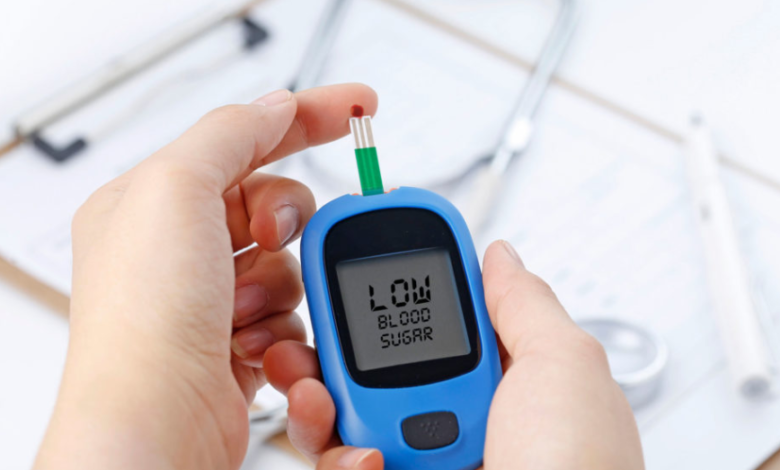
- Monitor blood sugar consistently: Awareness is power—tracking levels helps you catch trends before problems begin.
- Move your body every day: Even a 20-minute walk improves circulation and lowers blood sugar.
- Keep regular appointments: Your doctor, eye doctor, and dentist can spot problems long before symptoms appear.
Final Thoughts
Diabetes doesn’t have to control your life. When you understand what’s happening inside your body and take preventive steps, you gain the power to protect your long-term health. Blood sugar management isn’t just about numbers—it’s about preserving your sight, your mobility, your energy, and your confidence.
With knowledge, consistency, and proactive care, you can keep diabetes from striking back.