Introduction to Syringe Structure
Medical syringes are fundamental tools in healthcare, used for injecting medications, vaccines, or withdrawing fluids. Understanding the structure of a syringe is essential for healthcare professionals to ensure accurate administration, maintain sterility, and enhance patient safety. A clear visualization through a syringe diagram helps identify each component and its function.
Key Components Represented in a Syringe Diagram
A syringe diagram provides a visual representation of its main parts. Familiarity with these components ensures proper use and reduces errors.
Barrel
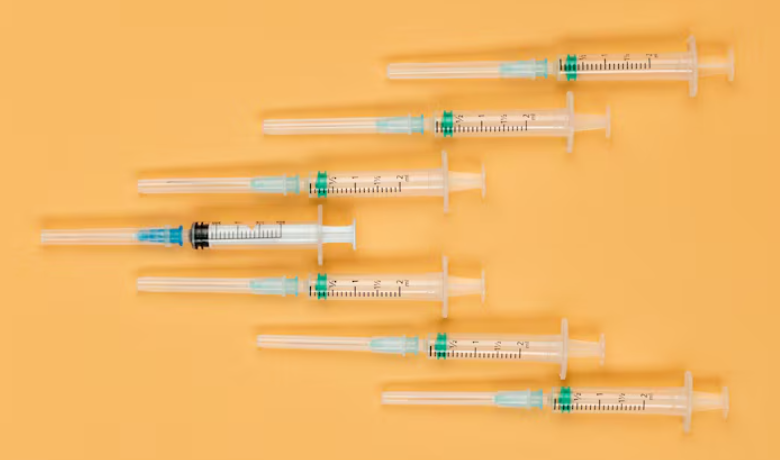
The barrel is the cylindrical container that holds the liquid. Transparent barrels feature measurement markings that are vital for accurate dosing. In a syringe diagram, the barrel is usually depicted prominently to show capacity and volume graduations.
Plunger
The plunger fits inside the barrel and moves to draw fluid in or push it out. In diagrams, the plunger is shown as a movable component with a seal at the tip to prevent leakage. Smooth operation of the plunger ensures precise dosing and minimizes discomfort during injection.
Needle
The needle attaches to the syringe and serves as the syringe diagram pathway for fluid entry or delivery. A syringe diagram often includes the needle length, gauge, and bevel type to indicate suitability for different injection methods. Proper needle selection enhances patient comfort and ensures effective administration.
Tip Connection
The connection between the needle and syringe can vary. Common types include Luer lock and slip tips. A Luer lock tip prevents needle detachment, while a slip tip allows quick removal. These details are often highlighted in a syringe diagram for clarity.
See also: Developing Emotional Resilience: Tools for Mental Health Providers
Variations in Syringe Design
Syringe diagrams can help illustrate different types and designs of syringes.
Standard Syringes
Standard syringes are used for general purposes. Diagrams typically show the barrel, plunger, and needle as the main components. Understanding these helps in accurate dosing for medications and vaccines.
Insulin Syringes
Insulin syringes are designed for subcutaneous injection. A diagram often emphasizes smaller barrel size and fine-gauge needles. This ensures precision in insulin dosing for diabetic patients.
Prefilled Syringes
Prefilled syringes come with medication preloaded. Diagrams highlight the prefilled barrel, plunger, and safety features. These syringes reduce preparation time and minimize contamination risk.
The Importance of a Syringe Diagram
Visual representations enhance comprehension and training. A syringe diagram helps:
- Educate healthcare workers about the parts of syringes
- Illustrate differences between syringe types
- Demonstrate correct needle attachment
- Promote safe handling and disposal practices
Application of Syringe Knowledge
Understanding the syringe diagram is essential in multiple medical scenarios:
Medication Administration
Accurate knowledge of syringe components ensures proper fluid measurement, preventing under- or overdosing. The diagram serves as a reference for correct plunger movement and needle attachment.
Vaccinations
Vaccines require precise injection. A syringe diagram helps professionals select the correct needle size and angle, ensuring effective immunization with minimal discomfort.
Laboratory Use
In laboratories, syringes are used for sample handling. Diagrams provide guidance on handling, measurement, and connection types for precise fluid transfer.
Pediatric and Geriatric Care
Children and elderly patients often need specialized syringes. A visual guide aids in selecting the right barrel size and needle gauge to minimize pain and ensure accurate dosing.
Safety and Maintenance
Syringe diagrams also emphasize safety measures:
- Use sterile syringes to prevent infection
- Inspect barrel and plunger for defects before use
- Avoid recapping needles to reduce injury risk
- Dispose of used syringes in approved sharps containers
These practices are critical for both patient and healthcare worker safety.
Innovations Highlighted in Syringe Diagrams
Modern syringes have several advanced features, often detailed in diagrams:
- Safety syringes: Include retractable needles to prevent needlestick injuries
- Ergonomic designs: Enhanced grip and smooth plunger operation for ease of use
- Prefilled syringes: Reduce preparation time and contamination risk
Understanding these features through a syringe diagram helps healthcare providers make informed choices.
Enhancing Training with Syringe Diagrams
Visual aids like syringe diagrams are essential in healthcare education. They:
- Allow trainees to understand syringe parts without direct handling
- Reduce the risk of errors in clinical practice
- Demonstrate correct injection techniques and plunger operation
These diagrams form a cornerstone of both classroom and practical training.
Conclusion
A syringe diagram is more than a visual guide; it is a practical tool for safe and accurate medication administration. By understanding the layout and function of each component, healthcare professionals can enhance patient safety, improve dosing accuracy, and utilize modern syringe designs effectively. Incorporating syringe diagrams into training and clinical practice ensures that both routine and specialized procedures are performed with confidence and precision.