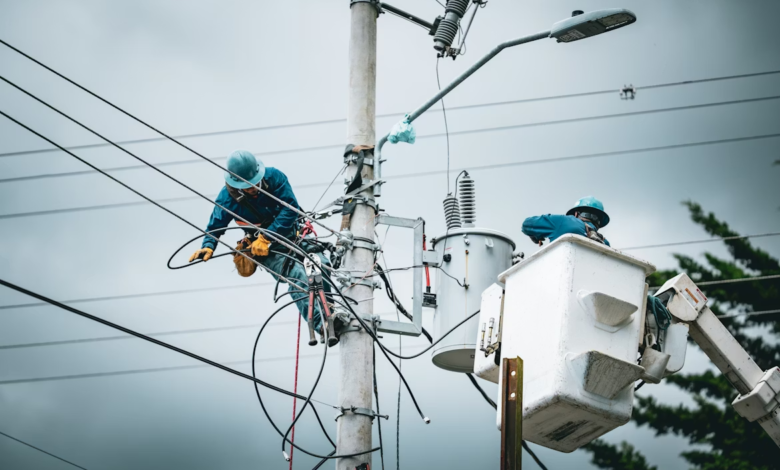
Regular transformer inspections are a crucial component of effective transformer maintenance. Transformers play a vital role in electrical systems, ensuring that electricity is transmitted efficiently and safely. This blog explores the numerous benefits of conducting routine inspections, shedding light on why transformer maintenance is essential for both performance and safety.
Enhanced Operational Efficiency
One of the primary benefits of regular transformer inspections is enhanced operational efficiency. By identifying potential issues before they escalate, maintenance teams can take corrective action to prevent performance disruptions.
Inspections allow for the monitoring of essential parameters, such as temperature and voltage levels, helping to ensure that transformers operate within their designated specifications. Routine transformer maintenance thus leads to improved reliability and minimizes the risk of unexpected failures, which can be costly and disruptive.
Early Detection of Problems
Regular inspections are instrumental in the early detection of problems that could jeopardize transformer performance. During these assessments, technicians can identify issues such as insulation deterioration, overheating, and oil leaks.
Detecting these problems early allows for timely interventions, reducing the extent of the damage and preventing costly repairs. This proactive approach is a vital aspect of transformer maintenance, as it ensures that minor issues do not escalate into significant failures that could lead to extended downtime.
Safety Improvements
Transformer maintenance through regular inspections plays a significant role in enhancing overall safety within electrical systems. Faulty transformers can pose serious risks, including electrical fires and equipment damage. By closely monitoring the condition of transformers, maintenance teams can minimize safety hazards.
Regular inspections ensure that safety devices, such as circuit breakers and alarms, are functioning correctly. As a result, organizations can maintain a safer working environment for employees and prevent accidents related to electrical failures.
Increased Transformer Lifespan
Conducting regular transformer inspections significantly contributes to increasing the lifespan of these critical pieces of equipment. Just as regular maintenance is essential for vehicles, transformers require periodic assessments to ensure they remain in optimal condition.
By catching potential problems early and addressing them, maintenance teams can extend the operational life of transformers. This not only protects the initial investment but also reduces the long-term costs associated with replacements and repairs, demonstrating the financial benefits of consistent transformer maintenance.
See also: Choosing a Reliable Density Meter Manufacturer
Compliance with Regulations
In many regions, regulatory bodies have established guidelines and standards regarding electrical equipment maintenance, including transformers. Regular transformer inspections help organizations comply with these regulations, thereby avoiding penalties and legal issues.
Adhering to these standards is integral to maintaining operational licenses and ensuring safe practices. By prioritizing transformer maintenance through scheduled inspections, companies demonstrate their commitment to safety and regulatory compliance, fostering trust among stakeholders.
Conclusion
In conclusion, the benefits of regular transformer inspections are far-reaching. From enhancing operational efficiency and improving safety to extending equipment lifespan and ensuring regulatory compliance, transformer maintenance is an indispensable practice for any organization reliant on electrical systems.
By investing in routine inspections, businesses can safeguard their operations, protect their investments, and promote a safer, more efficient electrical environment. Prioritizing transformer maintenance ultimately leads to a more sustainable and reliable electrical infrastructure.