Introduction to Density Meters
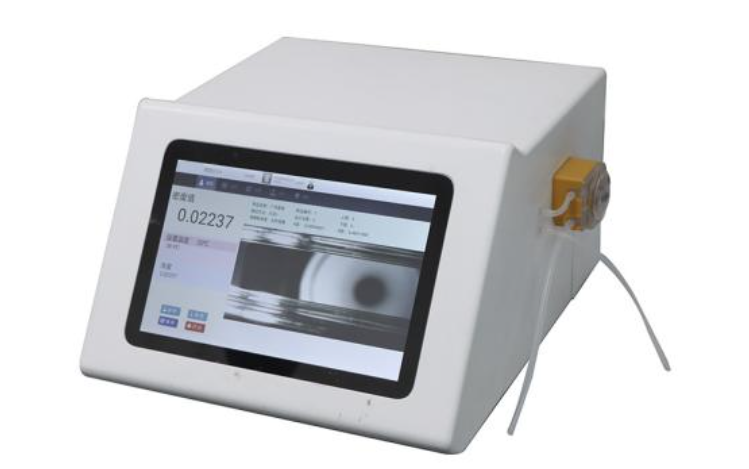
Density meters are crucial instruments used in laboratories and industries for measuring the density of liquids and solutions. Accurate density measurements are vital for quality control, research, and industrial processes. Selecting a trusted density meter manufacturer ensures that the instruments provide consistent, reliable, and precise readings.
A good density meter manufacturer produces instruments that combine accuracy with user-friendly operation. These instruments help laboratories and industries streamline processes, reduce errors, and improve overall productivity.
Importance of Accurate Density Measurement
Density is a fundamental property of liquids and solutions. Accurate density measurements allow scientists and technicians to determine concentration, purity, and chemical composition. In pharmaceuticals, precise density meter manufacturer are essential for dosage calculations. In the chemical industry, they ensure product consistency and quality compliance.
A density meter manufacturer that prioritizes precision ensures that each instrument meets industry standards. This minimizes measurement errors, reduces wastage, and supports compliance with regulatory requirements.
Working Principles of Modern Density Meters
Modern density meters generally operate on oscillating U-tube or vibrating tube technology. In these systems, a liquid sample is introduced into a tube that vibrates at its natural frequency. The density of the sample affects the vibration frequency, which is then converted into digital readings.
Many modern instruments come with automatic temperature compensation to maintain accuracy under varying laboratory conditions. This feature ensures that results are reliable even when environmental factors fluctuate.
See also: Building Resilient Marketing Campaigns With Technology
Applications Across Industries
Density meters have widespread applications across several industries:
- Pharmaceuticals: Ensuring accurate concentrations in formulations.
- Chemicals: Monitoring solution concentration and purity.
- Food and Beverage: Measuring sugar, alcohol, and other liquid components for quality control.
- Environmental Analysis: Checking water quality and identifying contaminants.
A density meter manufacturer that understands these applications can provide instruments tailored to industry-specific requirements, improving operational efficiency and reliability.
Key Features to Look for
When selecting a density meter manufacturer, certain features are essential:
- Accuracy and Repeatability: Instruments must provide precise measurements consistently.
- Temperature Compensation: Automatic adjustment for temperature variations enhances reliability.
- User-Friendly Interface: Easy-to-read displays and intuitive controls improve usability.
- Data Connectivity: USB or Bluetooth options facilitate seamless data transfer to laboratory systems.
- Calibration Support: Instruments should include or support calibration routines for consistent accuracy.
These features ensure that density meters meet the rigorous demands of modern laboratories and industrial operations.
Advantages of Modern Instruments
Modern density meters offer several advantages over traditional hydrometers or pycnometers. They provide faster readings, require less manual effort, and minimize human error. Automation allows technicians to focus on analysis rather than repetitive measurements.
Advanced instruments also provide data logging, reporting, and integration with laboratory management systems. This enhances workflow efficiency and allows for better record-keeping and compliance with industry standards.
Maintenance and Calibration
Routine maintenance is essential to keep density meters functioning accurately. Cleaning the measurement tube, proper storage, and regular calibration with standard reference liquids help maintain consistent performance.
Some instruments feature automatic calibration routines, simplifying maintenance and reducing errors. A reliable density meter manufacturer typically provides calibration services, technical support, and guidance for proper instrument care.
Technological Advancements
Recent advancements in density meter technology have improved performance, precision, and usability. High-resolution digital displays, rapid measurement capabilities, and integrated software for data analysis are now standard features.
Some modern density meters combine multiple measurement functions, such as density, specific gravity, and concentration, in a single instrument. This versatility saves time and reduces the need for multiple devices in the laboratory.
Choosing the Right Density Meter Manufacturer
Selecting the right density meter manufacturer is crucial for ensuring quality and long-term reliability. Key considerations include:
- Reputation: Choose a manufacturer with proven expertise and positive industry feedback.
- Support Services: Access to technical assistance, maintenance, and calibration services is essential.
- Product Range: A diverse product line allows laboratories to select instruments suited to their specific needs.
- Compliance: Ensure instruments meet international standards for accuracy and quality.
A reliable manufacturer ensures that laboratories receive instruments that are accurate, durable, and supported with proper service.
Cost Considerations and Investment
While high-quality density meters may require a significant investment, the long-term benefits justify the cost. Reliable instruments reduce errors, improve productivity, and minimize operational losses.
Laboratories should consider total cost of ownership, including calibration, maintenance, and energy consumption. Partnering with a reputable density meter manufacturer ensures that the instruments offer consistent performance and longevity.
Enhancing Laboratory Efficiency
Integrating density meters into laboratory operations improves workflow efficiency. Automated measurements provide faster, more accurate results, reducing the workload on technicians.
The combination of precision, speed, and automation allows laboratories to focus on critical tasks such as analysis, research, and compliance. High-quality density meters also support better decision-making, ensuring reliable results for product development, quality control, and regulatory submissions.
Conclusion
Density meters are vital instruments for accurate measurement of liquid properties across industries. Choosing a trusted density meter manufacturer ensures precision, reliability, and long-term support.
With proper maintenance, calibration, and use of modern features, these instruments enhance laboratory efficiency, streamline workflows, and maintain high standards of accuracy. Investing in high-quality density meters is a strategic decision that supports consistent results, regulatory compliance, and improved productivity.