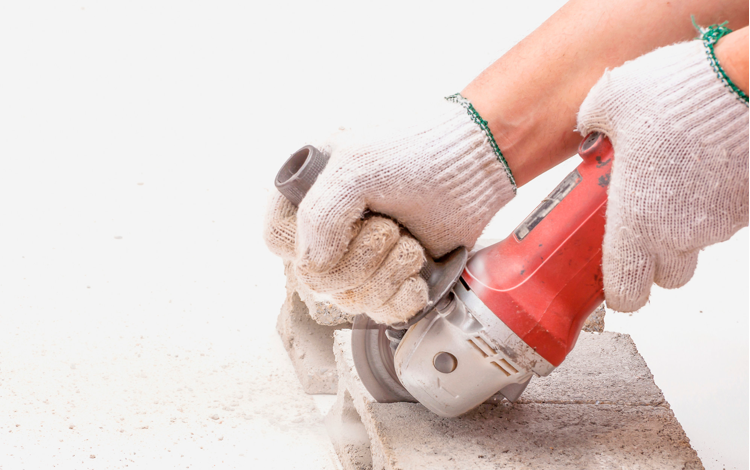
Concrete cutting with a blade can be challenging. So, it is essential to take a few steps to avoid costly downtime and dangerous errors. Understanding the 8 biggest mistakes plumbers make when using concrete cutting blades will make a big difference. This is the key to cutting safer and smarter.
Concrete cutting is an essential part of many plumbing and utility projects. Irrespective of whether you are trenching for new pipes or accessing an underground system, using a blade for concrete cutting is a common practice.
However, even after all the recent advancements in the industry, mistakes can still happen. These mistakes don’t just cost time or money. Rather, they can also hamper one’s safety. This is why, in 2025, all professionals must stay away from the common mistakes of the industry so that they do not end up making them.
In this blog, we will walk you through some of the common blade mistakes that all contractors and plumbing professionals should avoid. This will help them ensure smoother cuts, longer tool life, and safer job sites.
Mistakes to Watch Out for
Here are the things to consider when using a blade for concrete cutting:
Mistake 1: Using the Wrong Blade Type for the Job
All concrete isn’t the same, and similarly, all blades cannot handle every surface. Cured concrete, green concrete, reinforced slabs, and asphalt are all different types, and each requires a different blade type and bond hardness.
However, most fail to understand this and end up using the wrong blade, which leads to uneven cuts, overheating, or premature wear. This, in the end, forces you to replace tools faster than expected. So, you must always check whether you’re working with new, old, or reinforced concrete, and match your blade accordingly.
Pro tip: Segmented diamond blades work best for plumbing trenching or utility cutting for dry cutting. But turbo or continuous rim blades offer smoother results for wet applications.
See also: Choosing the Right Front Door Style to Match Your Home’s Architecture
Mistake 2: Skipping Pre-Cut Blade and Site Inspections
When using tools like walk-behind concrete cutters or others, rushing to start a cut without inspection often leads to dangerous surprises. So, before switching on your saw, you must always check your blade for cracks, missing segments, or warping.
More importantly, you must make sure the arbor size fits snugly, guards are secured, and the power source is in good condition. This will help you avoid the chances of mishaps.
Other than that, you must also assess your job site for debris, uneven surfaces, or a lack of water supply (if wet cutting). This simple habit will help you prevent costly damage to your saw and avoid potential safety violations.
Mistake 3: Cutting Too Fast
Speed is not always a sign of skill. Forcing a blade through concrete too quickly increases friction, overheats the rim, and can glaze the diamonds. This also impacts the performance dramatically.
This is why, instead of cutting too fast, you must focus on applying steady and even pressure. This will allow the blade for concrete cutting to cut at its own pace while maintaining the performance. Plus, you should also check the RPM and feed rate recommendations of the saw to maintain efficiency and blade life.
Pro tip: If your blade becomes glazed, restore it by running it through a soft abrasive material like asphalt or cinder block.
Mistake 4: Skipping Wet Cutting When It’s Needed Most
Cutting concrete without water may seem faster. However, it comes at a cost of overheating, dust clouds, and shorter blade life. On the other hand, wet cutting keeps the blade cool, reduces silica dust, and improves precision.
So, if your job requires deep or extended cuts with walk-behind concrete cutters, then you should always use a blade rated for wet use. Plus, you should ensure a steady water feed throughout. This will help in protecting your equipment while meeting the dust control standards.
Mistake 5: Running a Worn or Dull Blade Too Long
A dull or damaged blade makes your saw struggle, overheat, or even kick back. Some of the signs include slow cutting speed, unusual vibration, or a smooth rim with no visible diamonds.
Remember that continuing to use a worn blade leads to chipping, uneven edges, and wasted time. On top of that, it also increases strain on your saw motor, often leading to mechanical failure.
So, you should always replace blades before they reach full wear-out. This is much safer, more efficient, and better for your bottom line.
Mistake 6: Ignoring the Blade’s Rotation Direction
Every blade for concrete cutting is designed to rotate in a specific direction. You will often find that this is marked by an arrow on the label or rim. So, making any mistakes related to it, like installing it backward, will dull the edge, cause uneven cuts, and even risk segment detachment.
So, before tightening the nut, double-check that your saw’s rotation matches the arrow on the blade. This is especially important for turbo and continuous rim blades because the orientation affects airflow and cooling in these ones.
Mistake 7: Incorrect Saw Settings: RPM and Cutting Depth
Even the best blade will end up failing under the wrong settings. If you use an RPM that’s too high or too low, then it will cause wobble, excessive heat, and wear.
Similarly, cutting too deeply in one pass overworks both the saw and the blade. So, you should always follow the multi-pass method for thicker concrete. Moreover, you should also consult your blade’s rated RPM before every job.
Mistake 8: Skipping PPE and Dust Control
Concrete dust is more than just messy. It has the potential to cause a health hazard. Inhaling silica dust has the potential to lead to long-term respiratory issues, and OSHA fines for non-compliance are steep.
So, you must always wear the right PPE, like safety goggles, gloves, respirators, and hearing protection. More than that, you should also use dust shrouds or vacuum attachments for dry cutting. Most importantly, remember that even wet cutting still requires protective gear.
Pro tip: Check local/state OSHA silica regulations for 2025 updates. Use a segmented diamond blade for dry cuts and a continuous rim for wet, precision work.
Summing it up
Concrete cutting is one of the most critical parts of plumbing and trenching work. However, success in the process depends on more than just sharp tools like walk-behind concrete cutters or others. Rather, it is hidden in working smart.
Avoiding these eight mistakes helps extend blade life, enhance job safety, and ensure precision every time. So, by investing in high-quality tools like blades for concrete cutting and following proper practices, you’ll be able to save time. Moreover, it will also reduce downtime and protect both your crew and your equipment.
Confident in Using Blades for Concrete Cutting?
Stay away from making any mistakes. Invest in good blades to ensure premium safety and performance.