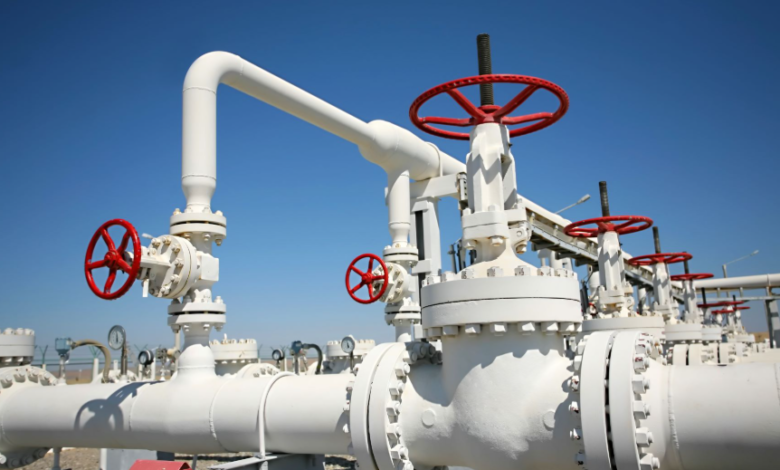
Introduction to Rupture Disk
In industrial processes, managing pressure safely is critical to prevent equipment damage, production loss, or accidents. A rupture disk serves as a vital safety device designed to protect vessels, pipes, and systems from overpressure conditions. Unlike mechanical relief valves, rupture disks are passive devices that provide instant pressure relief without requiring moving parts or external control. Their reliability, simplicity, and effectiveness make them indispensable in chemical, petrochemical, pharmaceutical, and manufacturing industries.
How Rupture Disks Work
A rupture disk is a thin, carefully engineered membrane that bursts at a predetermined pressure level. When system pressure exceeds the design threshold, the disk ruptures, allowing excess pressure to escape quickly. After activation, the disk must be replaced to restore system protection. The predictable rupture behavior ensures that pressure-sensitive equipment is safeguarded against catastrophic failure.
Key Features of Rupture Disks
Fast Response Time
Rupture disks respond almost instantaneously to pressure spikes, unlike mechanical valves that may have lag times. This rapid reaction is crucial in preventing accidents and reducing potential hazards.
Simple and Reliable Design
Rupture disks are simple, with no moving parts or complex mechanisms. This simplicity translates to high reliability and minimal maintenance requirements, making them cost-effective safety solutions.
Wide Pressure Range
They are available in a variety of materials and pressure ratings, making them suitable for low-pressure applications like laboratory systems or high-pressure industrial processes.
Chemical and Thermal Resistance
Depending on the material used, rupture disks can withstand corrosive chemicals, extreme temperatures, and aggressive industrial conditions without compromising their integrity.
Types of Rupture Disks
Forward-Acting Rupture Disks
Forward-acting disks burst when internal pressure pushes against the dome or concave side. They are commonly used in systems where clean, full flow release is required.
Reverse-Acting Rupture Disks
Reverse-acting disks are designed to withstand Rupture Disk high backpressure while bursting at a specific forward pressure. They are suitable for installations with pulsating or fluctuating pressures.
Scored and Slit Rupture Disks
Scored disks feature etched lines that control the rupture pattern, ensuring predictable failure. Slit disks have pre-cut openings to initiate controlled burst patterns, minimizing risk to nearby equipment.
Applications of Rupture Disks
Chemical and Petrochemical Industry
In chemical plants, pressure surges can occur due to exothermic reactions, pump failures, or valve blockages. Rupture disks provide a fail-safe method to protect reactors, storage tanks, and pipelines.
Pharmaceutical and Food Processing
Processes that involve sterile environments or sensitive ingredients benefit from rupture disks, as they prevent contamination while ensuring pressure relief during overpressure events.
Power Generation
Boilers, turbines, and heat exchangers operate under high pressure. Rupture disks act as a backup to pressure relief valves, offering additional safety in critical energy production systems.
Laboratory and Research Facilities
Small-scale processes in laboratories also require overpressure protection. Rupture disks are ideal for ensuring safety without complex installations.
See also: How to Find a Qualified Roofer in Los Angeles: A Homeowner’s Guide
Advantages of Using Rupture Disks
Enhanced Safety
Rupture disks prevent catastrophic failure by providing rapid pressure relief, protecting personnel and equipment.
Maintenance-Free Operation
With no moving parts, these devices require minimal maintenance, reducing operational downtime and costs.
Compatibility with Hazardous Media
Rupture disks can be manufactured from stainless steel, nickel alloys, or specialty plastics, allowing their use in corrosive or toxic environments.
Cost-Effectiveness
Compared to complex pressure relief systems, rupture disks offer a simple and reliable solution at a lower cost while maintaining high safety standards.
Selecting the Right Rupture Disk
Pressure Rating
The most critical factor is selecting a disk with an appropriate burst pressure, slightly above the system’s normal operating pressure but below equipment tolerance limits.
Material Selection
Material choice depends on chemical compatibility, temperature range, and mechanical strength. Common materials include stainless steel, nickel, and Hastelloy.
Flow Requirements
Understanding the required flow during a rupture event ensures that the selected disk will relieve pressure adequately without causing secondary issues.
Installation Considerations
Proper installation ensures the disk functions correctly. Considerations include orientation, alignment, and mating with flanges or holders.
Installation and Maintenance
Proper Installation
Rupture disks must be installed according to manufacturer specifications. The direction of flow and pressure must align with the disk design. Incorrect installation can lead to premature rupture or system damage.
Routine Inspections
Although maintenance is minimal, periodic inspections for corrosion, damage, or stress signs ensure reliable performance. Any signs of deterioration require immediate replacement.
Replacement After Activation
Once a rupture disk has activated, it must be replaced immediately to restore overpressure protection. Stocking replacement disks ensures minimal downtime.
Safety Standards and Compliance
Rupture disks are subject to international standards such as ASME, ISO, and API, which ensure quality, reliability, and predictable performance. Compliance with these standards is essential for regulatory approval and safe operation.
Future Trends in Rupture Disk Technology
Advanced Materials
The use of advanced alloys and composite materials improves corrosion resistance, mechanical strength, and temperature tolerance.
Smart Monitoring
Integration with pressure sensors and monitoring systems allows early detection of stress or approaching burst conditions, enhancing safety and predictive maintenance.
Environmentally Friendly Designs
New designs aim to minimize waste and reduce the environmental impact of replaced disks, including recyclable materials and safer disposal methods.
Conclusion
Rupture disks play a critical role in industrial safety, providing reliable and immediate pressure relief in systems where overpressure could cause significant hazards. Their simple design, rapid response, and adaptability to various applications make them essential components in chemical, pharmaceutical, power generation, and research industries. Selecting the right rupture disk based on pressure rating, material, and flow requirements, combined with proper installation and regular inspection, ensures long-term safety and operational efficiency. As technology advances, rupture disks will continue to evolve with improved materials, smart monitoring, and eco-friendly designs, further enhancing industrial safety standards.