When it comes to losing your hair, more often than not, this does not happen overnight, making it hard for people to know when to seek help. As such, people regularly face thinning hair, a receding hairline, or shedding hair without even realizing what the actual cause is.
Not getting it treated in time can lead to irreversible damage being done to hair follicles, turning manageable conditions into permanent baldness before proper medical care is ever considered.
Key Takeaways:
- Dermatologist-Driven Assessment: Early diagnosis reveals the precise cause of your hair loss to save existing hair follicles.
- Gradual Non-Surgical Treatment: Gentle techniques help to stem hair loss and improve scalp condition prior to surgical interventions.
- Accurate FUE Transplant: Cutting-edge methods allow the permanent restoration of hair density in a natural way.
Lack of clarity concerning treatment options creates stress, losses on ineffective solutions, and anxiety about surgical procedures.
The audience searching for a proper solution for hair loss wants to have a clear compass on whether non-invasive therapies can help them keep their hair or it is high time to choose a surgical method.
From Treating Alopecia to Getting a Hair Transplant: Stages In Achieving Fuller Hair
Hair loss rarely happens overnight. It builds in stages. Understanding those stages helps you choose the right treatment, at the right time-
See also: Dressing with Intention: How Clothing Shapes Our Everyday Life
Stage 1: Recognizing Alopecia Early
Alopecia is not one condition. It is a category, and each type responds differently to treatment. Here are the types of alopecia you need to understand-
| Type | Cause | Pattern | Reversible? |
| Androgenetic alopecia | Genetic + DHT sensitivity | Receding hairline, crown thinning (men); diffuse thinning (women) | Often manageable, slows with early treatment |
| Telogen effluvium | Stress, illness, nutrient deficiency | Diffuse shedding, sudden onset | Usually reversible once trigger resolves |
| Traction alopecia | Tight hairstyles, prolonged tension | Localized, often along hairline | Reversible if caught early |
| Alopecia areata | Autoimmune | Round, patchy bald spots | Unpredictable; varies by case |
| Ringworm (tinea capitis) | Fungal infection | Scaly, patchy loss | Fully treatable with antifungals |
Table 1: Types Of Alopecia
Early signs to watch for:
- Widening part line
- Increased shedding in the shower or on your pillow
- Visible scalp under normal lighting
- Slower regrowth after a cut
For patients managing alopécie in Laval and across Quebec, early diagnosis changes the treatment path entirely. Caught early, hair loss can often be slowed (sometimes reversed) without surgery.
Stage 2: Non-Surgical Management Comes First
Surgery is not always step one. A dermatologist-led approach usually starts conservatively.
| Treatment | How it works | Best for | Downtime |
| PRP therapy | Injects concentrated platelets to stimulate follicles | Early-stage thinning, weakened follicles | None |
| LED light therapy | Low-level light stimulates the hair bulb | Maintenance, mild thinning | None |
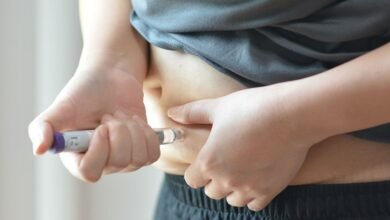
| Mesotherapy | Micro-injections of vitamins, amino acids, minerals | Scalp health, nutrient-driven loss | None |
| Hair transplant (FUE) | Relocates active follicles to bald areas | Advanced loss, bald patches | 2–5 days |
Table 2: Non-Surgical Management For Alopecia
These treatments work best on follicles that are weakened, not dead. That distinction matters, and it is exactly why a proper diagnosis comes before any treatment plan.
Stage 3: When a Hair Transplant Becomes the Right Option
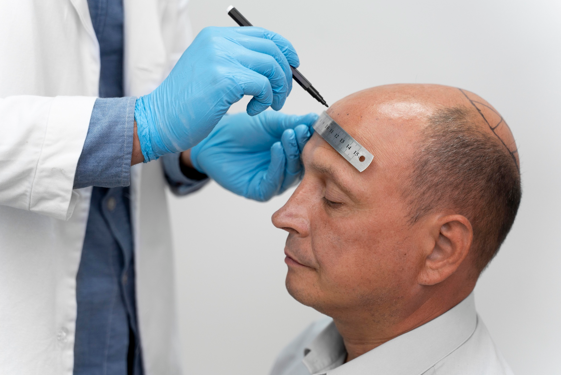
Non-surgical treatments manage loss. A greffe de cheveux à Gatineau, or a transplant at any clinic, restores density where follicles are already gone.
Modern transplant surgery relies mainly on two techniques:
| Technique | Method | Scarring | Recovery |
| FUE (Follicular Unit Extraction) | Individual follicles extracted via micro-incisions (< 1 mm) | Minimal, near-invisible | Faster, ideal for short hair |
| FUT (Strip / Linear method) | A strip of scalp removed, dissected into grafts | Linear scar, hidden by surrounding hair | Longer healing |
Table 3: Hair Transplant As The Right Option For Alopecia
FUE is the technique specialized, dermatologist-led clinics tend to favor, with precision over speed and no visible linear scar.
Recovery & Results Timeline
Understanding the timeline for recovery and final results helps you set realistic expectations and care for your hair properly at every stage-
| Timeframe | What to expect |
| Day 1-2 | Mild swelling, redness at donor/recipient sites |
| Day 3-7 | Return to work/light activity |
| Week 2-4 | Transplanted hair sheds (normal roots stay intact) |
| Month 3 | New growth begins |
| Month 6-9 | Visible density improvement |
| Month 9-12 | Full results, natural texture and direction |
Table 4: Recovery & Results Timeline
The success of these forms of natural, lasting results heavily depends on the performer of the procedure.
Factors that Define a Good Hair Clinic
So, when booking appointments, pay attention to the following:
- The presence of a board-certified dermatologist who will be involved in both diagnosis and treatment, and not only a technician
- Availability of a medical team with a wide range of specializations rather than limited experience in one area
- Knowledge of FUE and scarless donor-site methods
- Clear and reasonable time frames, rather than empty promises of achieving the desired results overnight
Check this list before considering a clinic. Clinics offering treatment for alopécie in Laval and greffe de cheveux in Gatineau under one dermatologist-led roof let patients move from diagnosis to non-surgical care to transplant, without switching providers or losing continuity of care.
In Summary
When it comes to hair restoration, it is important to implement a phased approach that is guided by a dermatologist and alters the method depending on your current hair loss stage.
The most important aspect of hair restoration is recognizing your situation correctly and adjusting all future steps from there, including starting with the non-invasive treatment and finishing with hair transplantation through Follicular Unit Extraction (FUE), allowing patients to keep their hair healthy and ensure a great density of the new hair.
Take Control Of Your Hair Restoration Journey Today
Whether you need early-stage treatment for alopécie in Laval or are preparing for a greffe de cheveux in Gatineau, schedule your consultation with the best dermatologist-led medical team to build a customized, step-by-step restoration plan.