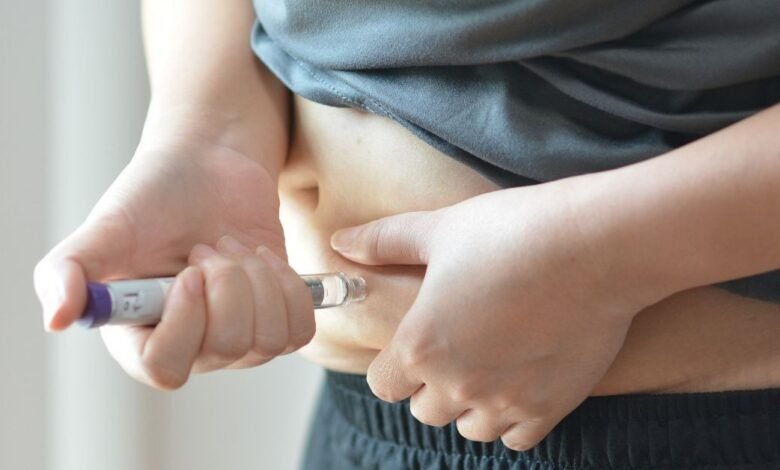
Starting tirzepatide treatment can involve several changes as your body adjusts to the medication. Tirzepatide is a prescription medication that works on GIP and GLP-1 receptors, which are involved in appetite regulation, food intake, and metabolic processes. For eligible patients using tirzepatide for weight management, treatment is generally combined with a reduced-calorie diet and increased physical activity.
The experience can be different for each person. Some people may notice changes in appetite during the first few weeks, while weight changes can take longer to become noticeable. The dose is also usually increased gradually rather than starting with a higher dose immediately, allowing the provider to monitor response and tolerability.
RoenRx provides provider-guided GLP-1 treatment options for eligible patients, including tirzepatide. Patients seeking a tirzepatide weight loss prescription can have their health information reviewed by the medical team, which can help determine whether treatment is appropriate and provide guidance as treatment progresses.
What to Expect With a Tirzepatide Online Prescription
A tirzepatide online prescription begins with a medical evaluation rather than simply ordering medication. A qualified provider reviews your health information and determines whether tirzepatide is suitable for your individual circumstances.
For FDA-approved Zepbound, treatment for chronic weight management begins with 2.5 mg once weekly for four weeks. The dose may then be increased in 2.5 mg increments after at least four weeks, depending on response and tolerability. The recommended maintenance doses for weight reduction are 5 mg, 10 mg, or 15 mg once weekly.
The gradual dosing schedule is designed to help the body adjust to treatment. Your provider may keep you on a particular dose longer if it is working well or if increasing the dose could cause unwanted side effects.
What You May Notice During the First Few Weeks
During the early weeks of treatment, some people notice changes in hunger and appetite. You may feel satisfied sooner during meals or find that you are less interested in frequent snacks and larger portions.
These changes do not necessarily happen immediately. Individual responses vary, and some people may need several weeks before noticing meaningful differences in appetite or eating patterns.
You may also experience gastrointestinal side effects when starting treatment. Nausea, diarrhea, constipation, vomiting, abdominal discomfort, and indigestion are among the commonly reported side effects of tirzepatide. These effects can also occur after a dose increase.
How Tirzepatide Can Affect Appetite and Food Intake
One of the main reasons tirzepatide is used for weight management is its effect on appetite and food intake. By activating GIP and GLP-1 receptors, tirzepatide can influence signals involved in hunger and fullness.
Some patients may find it easier to eat smaller portions because they feel satisfied sooner or remain full for longer. The medication also slows gastric emptying, particularly after the initial dose, which can contribute to changes in how quickly food leaves the stomach.
Reduced appetite does not mean you should skip meals or avoid getting enough nutrition. Choosing balanced meals with adequate protein, fiber, vitamins, minerals, and fluids remains important throughout treatment.
How Weight Loss Progress May Develop
Weight loss with tirzepatide generally develops gradually. Early changes may involve appetite and eating habits before noticeable changes in body weight become consistent.
Clinical studies have shown significant average weight reduction in eligible adults treated with tirzepatide, but individual results vary. Starting weight, dose, eating habits, physical activity, medical conditions, treatment consistency, and individual response can all affect progress.
It is also normal for body weight to fluctuate from week to week. Changes in hydration, digestion, sodium intake, hormones, and other factors can temporarily affect the number on the scale. Looking at longer-term trends can provide a more useful picture of progress.
How Tirzepatide Dosing Changes During Treatment
Tirzepatide treatment usually follows a gradual dosing schedule. For Zepbound, the starting dose is 2.5 mg once weekly for four weeks. After that, the dose can be increased by 2.5 mg increments after at least four weeks on the current dose.
The goal is not to reach the highest possible dose as quickly as possible. A healthcare provider considers how well the medication is working and whether side effects are manageable before recommending an increase.
Some patients may remain on a lower maintenance dose if it provides an appropriate response. Never increase, decrease, or take extra doses without instructions from your prescribing provider.
What Side Effects You May Experience
Gastrointestinal symptoms are among the most common side effects during tirzepatide treatment. These may include nausea, diarrhea, vomiting, constipation, abdominal pain, and indigestion.
Side effects can be more noticeable when treatment begins or when the dose increases. Eating smaller meals, avoiding foods that worsen symptoms, and staying adequately hydrated may help some people manage mild gastrointestinal discomfort, but your healthcare provider should provide individualized advice.
Tirzepatide can also cause more serious adverse reactions. Severe abdominal pain, signs of an allergic reaction, persistent vomiting, dehydration, or other concerning symptoms should be discussed with a healthcare professional promptly.
How RoenRx Supports You During Tirzepatide Treatment
RoenRx provides provider-guided GLP-1 treatment for eligible patients. Before medication is prescribed, a medical provider reviews the patient’s health information to determine whether treatment is appropriate.
During treatment, RoenRx provides ongoing support and provider-guided dose adjustments when clinically appropriate. This can help patients discuss changes in appetite, side effects, treatment progress, or concerns about their medication.
RoenRx also offers compounded tirzepatide options. It is important to understand that compounded tirzepatide is not FDA-approved, while Zepbound is an FDA-approved tirzepatide product for chronic weight management in eligible patients. Patients considering compounded medication should discuss the option carefully with their healthcare provider.
Lifestyle Changes That Support Treatment
Tirzepatide works as part of a broader weight management plan rather than replacing healthy habits. A balanced diet and regular physical activity remain important during treatment.
Because appetite may decrease, it can be helpful to focus on nutrient-dense foods rather than simply eating as little as possible. Protein, vegetables, fruits, whole grains, and healthy fats can help provide important nutrients while supporting a balanced eating pattern.
Physical activity can also support overall health and help maintain muscle during weight loss. Walking, strength training, cycling, swimming, and other activities may be appropriate depending on your fitness level and medical needs.
What Long-Term Tirzepatide Treatment May Involve
Tirzepatide may be used as part of a longer-term weight management strategy for eligible patients. The treatment plan can change over time depending on progress, side effects, health changes, and the provider’s assessment.
Regular follow-up allows your provider to determine whether the current dose remains appropriate. It also provides an opportunity to discuss changes in weight, appetite, nutrition, physical activity, and any new symptoms.
Long-term success is not measured only by how quickly weight decreases. Maintaining healthier habits, managing weight over time, and improving weight-related health outcomes can also be important treatment goals.
When to Contact Your Healthcare Provider
It is important to communicate with your provider if side effects are severe, persistent, or interfering with normal activities. You should also discuss any significant changes in your health or medications during treatment.
Tirzepatide has important warnings and precautions, including risks related to severe gastrointestinal reactions, pancreatitis, gallbladder disease, kidney injury related to dehydration, and serious hypersensitivity reactions. It is also contraindicated in people with a personal or family history of medullary thyroid carcinoma or Multiple Endocrine Neoplasia syndrome type 2.
Your provider can help you understand which symptoms require medical attention and whether any changes to your treatment are needed.
See also: Planning Group Transportation in Bengaluru: Complete Guide to 25 Seater Bus Options
Final Thoughts
During tirzepatide treatment, you can expect a gradual process that may include changes in appetite, eating patterns, body weight, and medication dose. Some people notice appetite changes during the early weeks, while meaningful weight management progress generally takes longer.
Following your prescribed dosing schedule, maintaining healthy lifestyle habits, monitoring side effects, and staying in contact with your healthcare provider can help support the treatment process. RoenRx provides provider-guided GLP-1 treatment and ongoing support for eligible patients who are considering tirzepatide.
The right treatment experience depends on your individual health and response to medication. A qualified provider can help you understand what to expect and determine whether tirzepatide remains appropriate throughout your weight management journey.