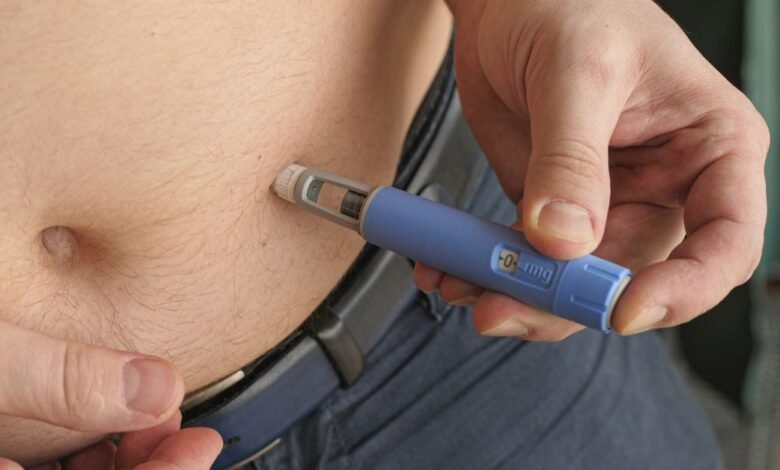
Many people taking Ozempic for weight management or blood sugar control ask, can you switch from Ozempic to Mounjaro safely. Both medications are effective GLP-1 receptor agonists, but they have different mechanisms, dosing schedules, and tolerability profiles. Switching requires careful planning to avoid side effects, maintain results, and optimize the benefits of Mounjaro. FitRx provides practical guidance for a smooth transition, helping users continue their weight loss journey confidently.
Ozempic primarily works as a GLP-1 receptor agonist, while Mounjaro combines GLP-1 and GIP activity, often producing stronger appetite suppression and potentially faster weight loss. Understanding these differences helps users anticipate changes in hunger levels, digestive responses, and overall outcomes. FitRx emphasizes that a structured approach to switching medications ensures continuity in weight management while minimizing discomfort.
Understanding the Differences Between Ozempic and Mounjaro
Ozempic and Mounjaro differ not only in their receptor targets but also in dosing flexibility and titration. Ozempic is typically administered once weekly, starting at a lower dose and gradually increasing. Mounjaro also uses a weekly schedule but often begins with a different starting dose and titration plan. Recognizing these differences is crucial for anyone considering a switch.
FitRx highlights that these variations mean some users may notice changes in appetite control or side effect intensity when transitioning. A careful plan allows for a smoother adaptation period and ensures the new medication works effectively while avoiding unnecessary gastrointestinal discomfort.
When Switching Might Be Considered
There are several reasons a healthcare provider might recommend transitioning from Ozempic to Mounjaro. Some users may experience a plateau in weight loss, while others might need a medication with a slightly different effect profile. Medical guidance is essential, as personal health history, current dose, and individual response all influence the timing and approach.
FitRx encourages users to evaluate their progress, side effects, and lifestyle before making a transition. This ensures that the switch aligns with long-term health goals and supports sustainable weight management with the help of prescription weight loss programs for lasting results by FitRx.
Steps for a Safe Transition
Switching from Ozempic to Mounjaro involves precise planning, careful monitoring, and gradual dose adjustments. FitRx advises starting with the lowest recommended dose of Mounjaro after the previous Ozempic dose has been metabolized. This reduces the likelihood of overlapping effects that could intensify nausea or digestive discomfort.
Users should maintain a consistent weekly injection schedule, track their progress, and note any side effects or appetite changes. FitRx also emphasizes monitoring tolerance closely, as some users may benefit from slower titration to avoid gastrointestinal issues. A well-monitored transition preserves weight loss momentum and ensures the new medication works as intended.
See also: Developing Emotional Resilience: Tools for Mental Health Providers
Managing Side Effects During the Switch
Both Ozempic and Mounjaro can cause mild side effects, including nausea, bloating, or changes in digestion. FitRx suggests maintaining a balanced diet, eating small, nutrient-rich meals, and staying hydrated during the transition. Adjusting meal timing in relation to injections can also help reduce discomfort.
Monitoring the body’s response allows users to fine-tune their routine. Keeping track of symptoms, meal patterns, and injection times helps establish a sustainable rhythm that supports both comfort and weight loss. FitRx emphasizes that gradual adjustments and consistency are key to minimizing side effects.
Maintaining Optimal Results
After switching to Mounjaro, continuing structured habits enhances results. FitRx recommends integrating balanced meals with adequate protein, fiber, and healthy fats. Regular physical activity complements the medication’s appetite regulation and contributes to more consistent weight loss.
Staying on a consistent weekly injection schedule, rotating injection sites, and tracking progress ensures adherence and reduces potential issues. Combining these practices with lifestyle habits maximizes Mounjaro’s effectiveness and supports long-term health goals.

Conclusion
Yes, it is possible to switch from Ozempic to Mounjaro safely, but doing so requires planning, careful monitoring, and medical guidance. Understanding the differences between the two medications, timing the transition correctly, and adjusting doses gradually helps reduce side effects while maintaining weight loss progress.
FitRx provides expert guidance for users navigating this transition, offering strategies to manage side effects, maintain results, and establish a sustainable routine. By following a structured approach, individuals can safely benefit from Mounjaro while continuing their journey toward better health and effective weight management.
FAQs
1. Can I switch from Ozempic to Mounjaro immediately?
No, it is important to wait until the previous Ozempic dose has been metabolized and follow a structured titration plan.
2. What is the main difference between Ozempic and Mounjaro?
Ozempic is a GLP-1 agonist, whereas Mounjaro targets both GLP-1 and GIP receptors for potentially stronger weight loss effects.
3. How do I manage side effects during the transition?
Eat small, balanced meals, stay hydrated, monitor symptoms, and adjust titration pace if necessary.
4. Should I continue lifestyle habits after switching?
Yes, a balanced diet, hydration, and regular exercise support Mounjaro’s effectiveness.
5. How can I track my progress during the switch?
Keep a weekly log of injection times, doses, side effects, and changes in appetite or weight to guide adjustments.